As of the 1st of July 2021, new car owners won’t be forced to stick to embedded motor or service plans and can have their cars repaired by independent service providers without voiding their warranties.
While many consumers are delighted with the news, dealerships are concerned with the possible impact of the Right to Repair movement on their bottom line.
We’ll unpack exactly what the new rules are, and how it will affect you in 2021.
[caption id="attachment_6164" align="alignnone" width="1024"]
While many consumers are delighted with the news, dealerships are concerned with the possible impact of the Right to Repair movement on their bottom line.
We’ll unpack exactly what the new rules are, and how it will affect you in 2021.
[caption id="attachment_6164" align="alignnone" width="1024"]
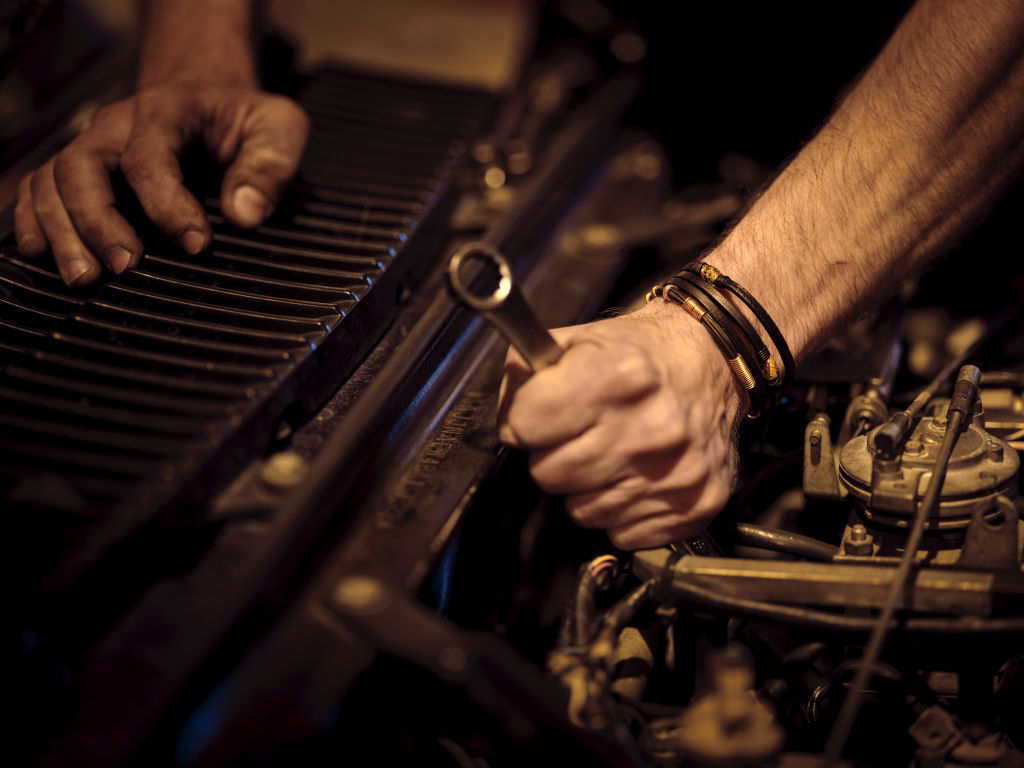
The Right to Repair Movement[/caption]
Dealerships can’t lock their customers in
OEMs and dealerships can’t prevent their customers from seeking service, maintenance or mechanical repairs for their new cars at an ISP (Independent Service Provider) of their choice.
Consumers may fit non-original parts
Consumers can fit original or non-originals parts during the in-warranty period without voiding their warranty.
Unbundling of plans
Maintenance and service plans will be unbundled from the purchase price of a motor vehicle, giving consumers the option to purchase this plan from an independent provider. Dealerships and ISPs have to disclose all information regarding the maintenance and repair of their vehicles, as well as any associated terms and conditions.
Greater choice re: insurance
Insurers will offer consumers greater choice of repairers within geographic areas for out-of-warranty repairs.Naturally there will also be recourse for consumers who encounter OEMs and dealerships that do not adhere to the new rules.
The Positives
While many dealerships are concerned about the right to repair movement, there are many positives for the industry at large. Independents in rural or outlying areas.Traditionally OEMs have placed specific requirements on dealerships regarding procurement, size and location of dealer premises. With the newer guidelines, the Competition Commission has set out that OEMs must lower their financial barriers and requirements for dealerships to boost their footprints.
It’s important to remember that the right to repair movement merely gives consumers the option of visiting an independent service provider – it’s not to say that they will! If you deliver great service, competitive pricing and warranties, loyal customers will come back. Cars are also becoming increasingly complex and requires diagnostic tools and test equipment (not the mention skilled training and access to replacement parts) to maintain and repair. Dealerships still have an advantage over many ISPs when it comes to technical savvy and equipment.
It’s safe to assume that greater access to maintenance and affordable parts will mean that more South Africans will actually maintain their cars! Our 2020 poll showed that more than half of car owners put off having their car serviced or repaired because they simply couldn’t afford it post-lockdown. Better maintained cars means better trade-ins (and safer roads).
The Right to Repair movement has maintained that if car ownership becomes more affordable, car sales will be stimulated – which is good for the economy (and the industry) in the long run. There may be more competition on the market, but competition creates jobs, start-ups and growth.
There’s no need to panic about the Right to Repair yet. Focus on service delivery, upskilling and education of your customers and the new opportunities it presents.
Dealerships can’t lock their customers in
OEMs and dealerships can’t prevent their customers from seeking service, maintenance or mechanical repairs for their new cars at an ISP (Independent Service Provider) of their choice.
Consumers may fit non-original parts
Consumers can fit original or non-originals parts during the in-warranty period without voiding their warranty.
Unbundling of plans
Maintenance and service plans will be unbundled from the purchase price of a motor vehicle, giving consumers the option to purchase this plan from an independent provider. Dealerships and ISPs have to disclose all information regarding the maintenance and repair of their vehicles, as well as any associated terms and conditions.
Greater choice re: insurance
Insurers will offer consumers greater choice of repairers within geographic areas for out-of-warranty repairs.Naturally there will also be recourse for consumers who encounter OEMs and dealerships that do not adhere to the new rules.
The Positives
While many dealerships are concerned about the right to repair movement, there are many positives for the industry at large. Independents in rural or outlying areas.Traditionally OEMs have placed specific requirements on dealerships regarding procurement, size and location of dealer premises. With the newer guidelines, the Competition Commission has set out that OEMs must lower their financial barriers and requirements for dealerships to boost their footprints.
It’s important to remember that the right to repair movement merely gives consumers the option of visiting an independent service provider – it’s not to say that they will! If you deliver great service, competitive pricing and warranties, loyal customers will come back. Cars are also becoming increasingly complex and requires diagnostic tools and test equipment (not the mention skilled training and access to replacement parts) to maintain and repair. Dealerships still have an advantage over many ISPs when it comes to technical savvy and equipment.
It’s safe to assume that greater access to maintenance and affordable parts will mean that more South Africans will actually maintain their cars! Our 2020 poll showed that more than half of car owners put off having their car serviced or repaired because they simply couldn’t afford it post-lockdown. Better maintained cars means better trade-ins (and safer roads).
The Right to Repair movement has maintained that if car ownership becomes more affordable, car sales will be stimulated – which is good for the economy (and the industry) in the long run. There may be more competition on the market, but competition creates jobs, start-ups and growth.
There’s no need to panic about the Right to Repair yet. Focus on service delivery, upskilling and education of your customers and the new opportunities it presents.