The COVID-19 pandemic turned our world upside down, affecting people, businesses, and whole economies, with the signs of recovery only emerging in the last few months.
While there's no diminishing the tragedies and disasters of the last nearly three years, that upside downturn has been the catalyst for so much positive change – and loads of opportunity too.
Michael Puffet, business development manager at Profitroom South Africa, says: "One of the most positive outcomes of global travel bans was that South Africans started rediscovering their own country. The pandemic saw the rise of the 'staycation' – with people spending a night out at a hotel in their home city or choosing to spend their holiday budget on multiple shorter stays within an easy drive's distance rather than traveling abroad.
"Those staycations meant that many hospitality destinations could survive the pandemic by welcoming guests, keeping their teams employed, and stimulating local economies when other sectors couldn't."
A pandemic for the better
These shifting vacation choices by local people formed the foundation for the South African travel sector's anticipated 7.6% per annum growth over the next ten years, further encouraged by the country's currency value, making it an enduringly popular destination among travelers from Europe and the United States.
While there's no diminishing the tragedies and disasters of the last nearly three years, that upside downturn has been the catalyst for so much positive change – and loads of opportunity too.
Michael Puffet, business development manager at Profitroom South Africa, says: "One of the most positive outcomes of global travel bans was that South Africans started rediscovering their own country. The pandemic saw the rise of the 'staycation' – with people spending a night out at a hotel in their home city or choosing to spend their holiday budget on multiple shorter stays within an easy drive's distance rather than traveling abroad.
"Those staycations meant that many hospitality destinations could survive the pandemic by welcoming guests, keeping their teams employed, and stimulating local economies when other sectors couldn't."
A pandemic for the better
These shifting vacation choices by local people formed the foundation for the South African travel sector's anticipated 7.6% per annum growth over the next ten years, further encouraged by the country's currency value, making it an enduringly popular destination among travelers from Europe and the United States.
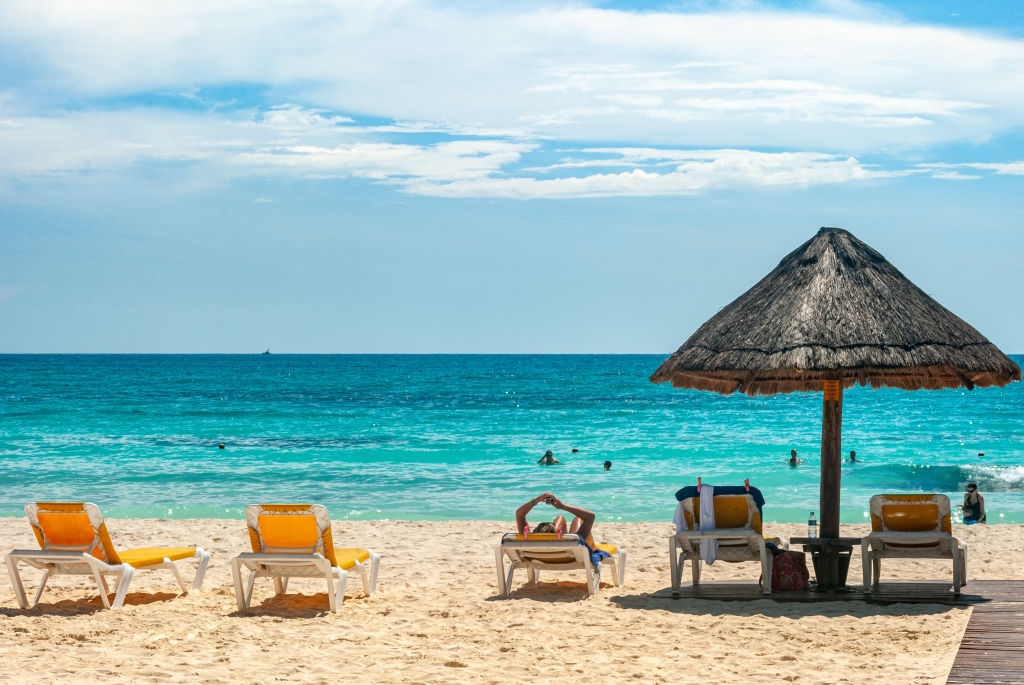
Puffet adds that there are other ways that the pandemic shifted things for the better, within the hospitality sector and across broader society too. Here they are:
1. While the business horizon looked bleak in mid-2020, many hotels and resorts chose to take advantage of this quiet time to refurbish and upgrade their properties so that they were revitalized and ready to welcome guests for an improved experience once the pandemic was over. This wasn't only a great idea for their own businesses – it kept construction and allied companies going through the tough times.
2. In meeting pandemic-related safety requirements, many businesses – including those in tourism – had to invest more thought and care into their customers 'user experience'. This care and thoughtful design have persisted, making many destinations even more luxurious than before.
3. The environment got to take a breather, with vegetation growing back, animals returning, and birds nesting in new locations. This was great news for conservation tourism, as the teams on the ground could spend time learning more about the routines of the animals under their care and how to balance their needs with visitors' expectations.
4. While technology made it possible for office environments to shift online, the hospitality industry's adoption of digital systems was accelerated too. This included everything from adopting direct booking platforms to scrapping paper menus in favour of QR codes linked to digital menus on guests' mobile devices, for example. Online check-ins to reduce face-to-face contact took the pressure off reception staff. At the same time, food delivery services meant that hotels could close their kitchens earlier, giving their staff time off, while guests could order food from nearby restaurants at any time via food delivery apps.
5. The world was on high alert to prevent the spread of COVID-19, with health officials everywhere implementing protocols to protect people. While many restrictions were onerous, some even nonsensical, we learned what works and how to respond quickly when something goes wrong. That can only be good news for the future, as tourism and other industries build on the knowledge gained over the last three years to navigate any future health or other emergency incidents effectively.
This article was provided by: Tribeca PR
Now that you’ve got the knowledge, it’s time to shop! Head to gumtree.co.za or your Gumtree app (click for Apple & Android) and don’t forget to use your location settings to find local service information close to home.