When you buy your first car, whether it’s brand new or a good used model, everyone will tell you that the value will depreciate from the moment you switch it on and drive it off the dealerships floor. While that is largely true the more you drive it, there are ways to protect and maintain the value of your car for resale.
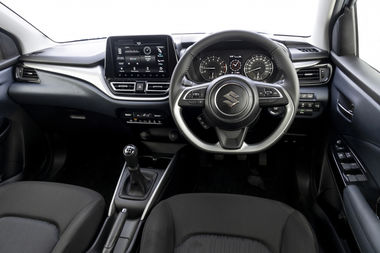
As an example, ask yourself - is the two-door or four-door model more popular? Is automatic preferred to manual? Is it diesel or petrol-powered? Likewise, beige cloth seats might pose a problem when it’s time to sell later on, whereas black leather might be more appealing.
Gumtree has put together a list of factors that can either increase or decrease the overall value of your car:
Factors that will increase the value:
1. Limited previous owners
The least number of times a vehicle has changed ownership makes it an attractive option for prospective buyers and usually means that everything has usually been well kept aesthetically and mechanically.2
2. Lower mileage vs market average
A car with low mileage means it hasn’t driven much and also indicates an engine that is still in good condition. Lower mileage means that a higher price tag can be warranted as the engine hasn't been driven much by the owner.
3. Factory-fitted features
Having optional extras like parking sensors, satellite navigation or leather seats can add to the overall value of your car and make it more appealing for the price, especially on a pre-owned model.
4. Full service history
A full service history or FSH, means that a car has been for all of its recommended mileage-specific services either at the OEM or an RMI-approved business, with a fully-stamped service book to prove it.
5. Exclusive body colours
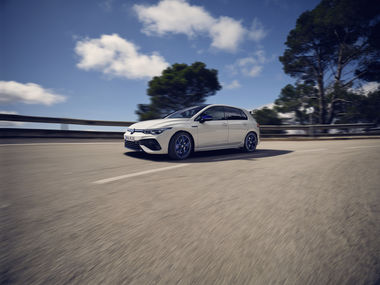
White is the most common body colour and generally sells better. Where luminous orange and acid green may be desirable on a high-performance supercar, it may not be on a budget hatchback, for example, so it's best to consider the shade you opt for.
6. No visible body damage
A car that is devoid of any major damage, misaligned body panels or loose-hanging parts means that it most likely wasn’t involved in an accident and no extra money needs to be spent on costly body repairs.
As an example, ask yourself - is the two-door or four-door model more popular? Is automatic preferred to manual? Is it diesel or petrol-powered? Likewise, beige cloth seats might pose a problem when it’s time to sell later on, whereas black leather might be more appealing.
Gumtree has put together a list of factors that can either increase or decrease the overall value of your car:
Factors that will increase the value:
1. Limited previous owners
The least number of times a vehicle has changed ownership makes it an attractive option for prospective buyers and usually means that everything has usually been well kept aesthetically and mechanically.2
2. Lower mileage vs market average
A car with low mileage means it hasn’t driven much and also indicates an engine that is still in good condition. Lower mileage means that a higher price tag can be warranted as the engine hasn't been driven much by the owner.
3. Factory-fitted features
Having optional extras like parking sensors, satellite navigation or leather seats can add to the overall value of your car and make it more appealing for the price, especially on a pre-owned model.
4. Full service history
A full service history or FSH, means that a car has been for all of its recommended mileage-specific services either at the OEM or an RMI-approved business, with a fully-stamped service book to prove it.
5. Exclusive body colours
White is the most common body colour and generally sells better. Where luminous orange and acid green may be desirable on a high-performance supercar, it may not be on a budget hatchback, for example, so it's best to consider the shade you opt for.
6. No visible body damage
A car that is devoid of any major damage, misaligned body panels or loose-hanging parts means that it most likely wasn’t involved in an accident and no extra money needs to be spent on costly body repairs.

Factors will decrease the value:
1. High mileage
The older a car is, the less value it retains every year - excluding collector’s items. While an older car with high mileage is significantly cheaper, it’s often not the most mechanically reliable if not properly looked after.
2. Poor condition
If a car has plenty of visible body damage like scratches and dents, it will be worth a lot less than one with minimal to no damage. No one wants to buy a car that still needs to be sent away for repairs.
3. Volatile service history
If the service book hasn’t been stamped regularly or at all, it means that components like the spark plugs, air/oil filters, and belts haven’t been replaced in a long time. Skipping maintenance affects engine performance.
4. Outstanding issues
If there are any existing electrical or mechanical faults on the car, it will make the car less appealing to the buyer. It means those issues need to be fixed and affects the overall value.
5. Amount of previous owners
A car with one or two previous owners may have a stronger resale value, for example, as opposed to one that has changed hands regularly and over a short period of time. Not everyone is the same when it comes to servicing and maintenance, so it can be a hit or miss situation.
Now that you’ve got the knowledge, it’s time to shop! Head to gumtree.co.za or your Gumtree app (click for Apple & Android) and don’t forget to use your location settings to find local service information close to home.